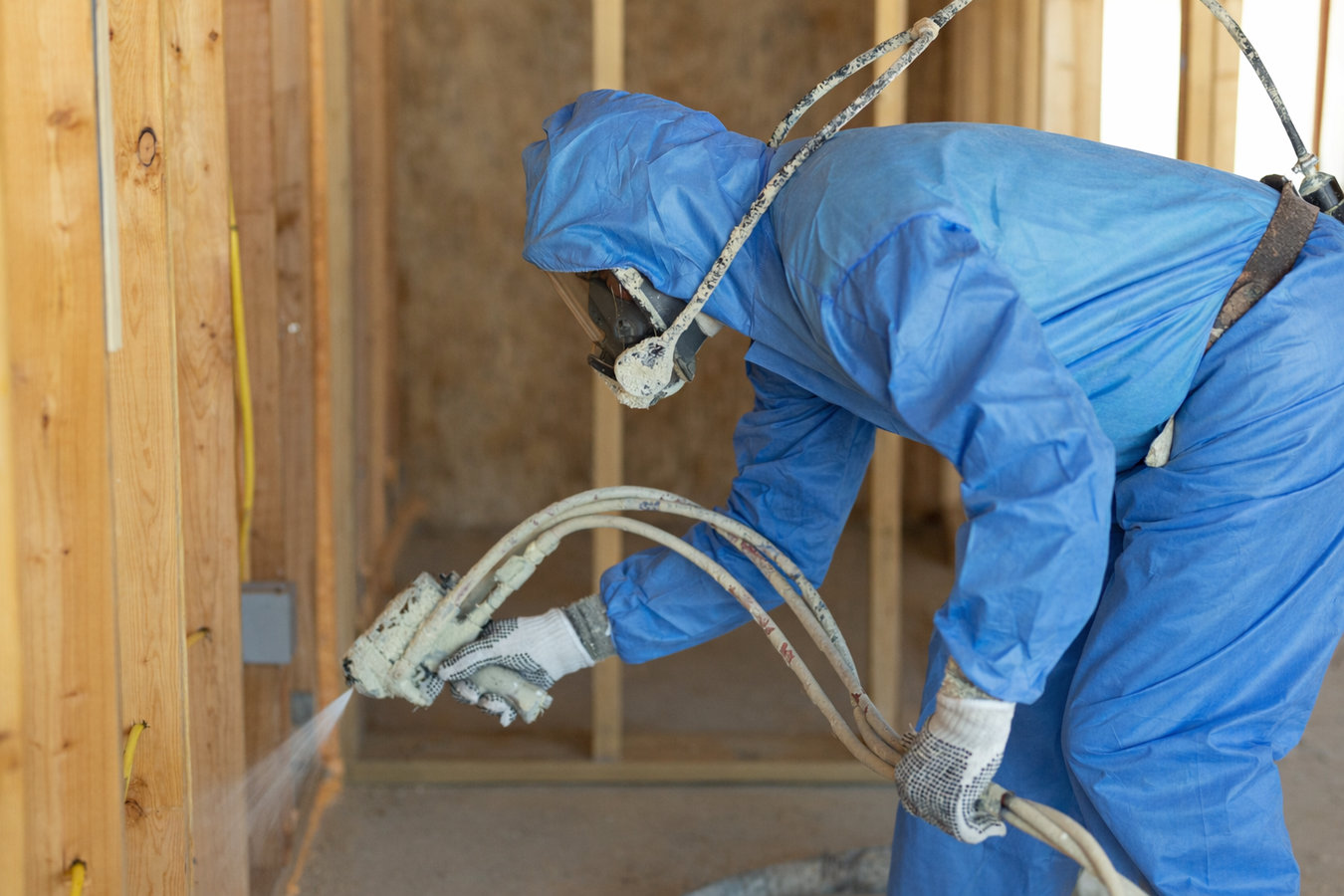
Sumter has about 42,000 residents and a housing stock that is heavily weighted toward pre-1980 construction. The most common home style in the city is the single-story brick ranch built between the 1950s and 1980s, typically with a crawl space foundation and a low-pitched roof. Homes of this era were built before modern energy codes, and most still have original or minimal insulation in crawl space walls and exterior walls. At 40 to 70 years old, these homes are at the age where every major system - HVAC, insulation, roofing - deserves a careful look.
The Coastal Plain setting makes the situation more urgent. Sumter gets 46 to 48 inches of rain per year on flat terrain with sandy-loam soils that drain slowly. Yards and crawl spaces stay wet for days after heavy rain, and the high water table means ground moisture is always trying to push up from below. Add to that the city's hot, humid summers - average July highs around 93°F - and you have conditions where a damp crawl space, thin attic insulation, and leaky walls combine to make every cooling season more expensive than it needs to be. Understanding how moisture, heat, and older construction interact is exactly the kind of local knowledge that makes a difference in Sumter.