Blown-In Insulation
Compare blown-in fiberglass and cellulose options and see which material works best for your attic type and access conditions.
Learn more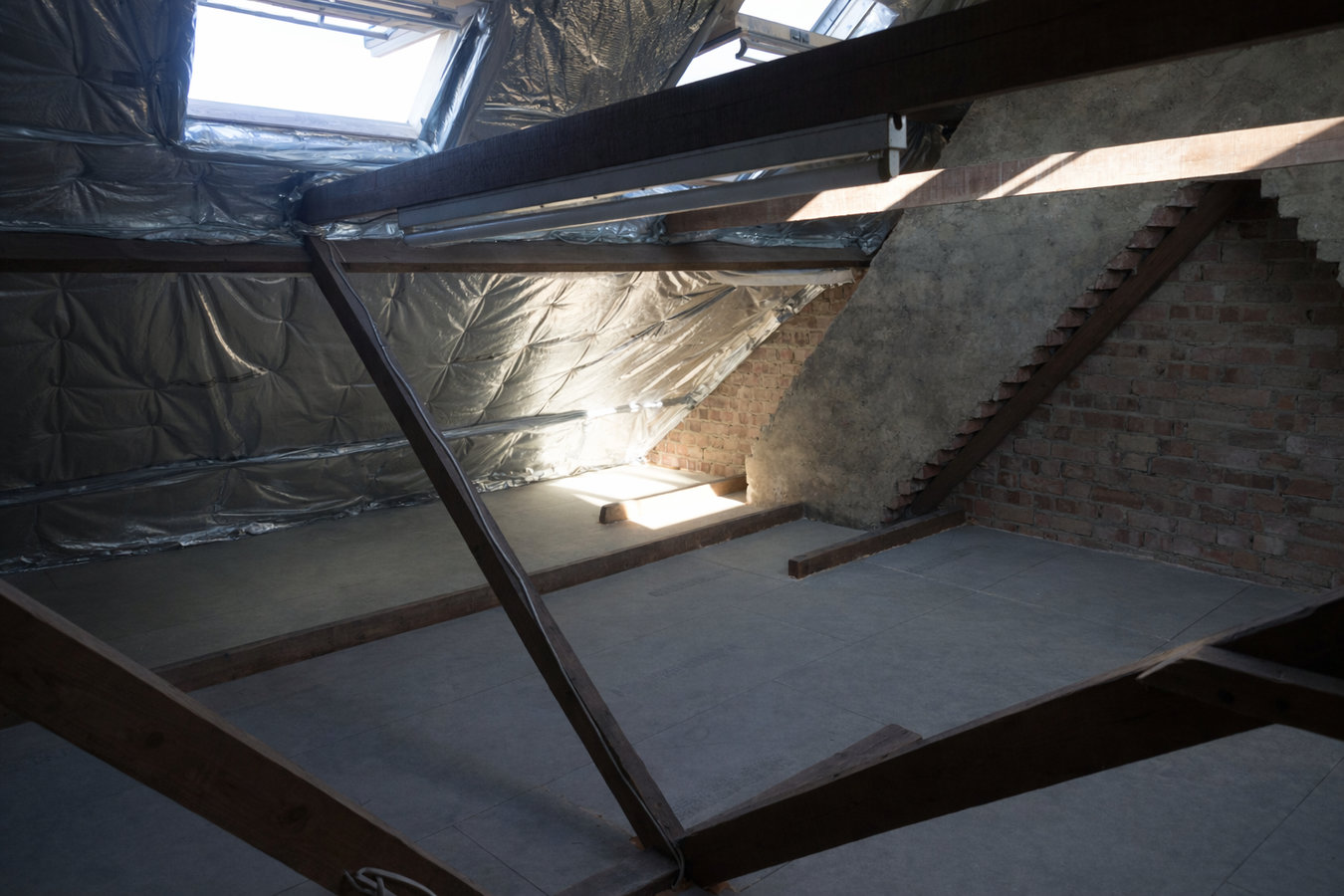
Your attic is where most heat enters your home in summer. If it is thin or outdated, your cooling system works overtime every day from May through September. We upgrade Florence attics to the level this climate actually demands.
Your attic is where most heat enters your home in summer. If it is thin or outdated, your cooling system works overtime every day from May through September. We upgrade Florence attics to the level this climate actually demands.
Attic insulation in Florence, SC slows heat from entering your living space through the ceiling - most jobs are completed in a single day, and there is no need to leave your home during the work. The Department of Energy recommends an R-value between R-38 and R-60 for attics in this climate zone, which means roughly 13 to 19 inches of blown-in material.
Florence has a large number of homes built in the 1960s through 1980s, and many of them were insulated to the standards of that era - which fall well short of what is recommended today. If you have lived in your home for decades and never had the attic checked, the insulation has likely settled and compacted, making it even less effective than when it was installed. Pairing an attic upgrade with attic air sealing gives you the full benefit - sealing gaps first, then adding insulation on top, so air cannot escape even when the material is present. If you are also comparing insulation materials, our blown-in insulation page covers how that material works in attic applications specifically.
If the second floor or rooms directly under the attic feel noticeably warmer than the rest of your home - even with the air conditioning running - heat is likely pouring through your attic floor. In Florence's summers, this is one of the most common complaints homeowners have before they discover their attic insulation is thin or missing in spots.
If your electric bill keeps going up but you have not changed how you use your home, your attic may be the culprit. In Florence, where air conditioning runs for much of the year, a poorly insulated attic forces your system to run longer cycles - and that shows up on your bill every single month.
If you peek into your attic and can clearly see the tops of the wooden beams running across the floor, your insulation is almost certainly too thin. Those beams should be buried under a thick, even layer of material. If they are visible, you are losing a significant amount of conditioned air through your ceiling every day.
Florence's high humidity means attics that are not properly insulated or ventilated can develop moisture problems. If you have noticed a musty smell coming from your ceiling, or seen water staining or signs of mold when you have looked into the attic, the insulation may be wet or damaged - and wet insulation does almost nothing to keep heat out.
Most attic jobs in Florence involve blown-in insulation - either fiberglass or cellulose - added on top of whatever is currently in the attic. This method fills corners and gaps that batt insulation often misses, and it is well suited to older attics with irregular framing. Before adding any material, we seal gaps around light fixtures, plumbing penetrations, and wiring with foam or caulk. This air sealing step is often skipped by less thorough contractors, but it is one of the biggest factors in whether you actually feel a difference after the job is done. You can learn more about that process on our attic air sealing page.
For attics with old insulation that is wet, moldy, or pest-damaged, we also handle removal before installing fresh material. Removal adds cost and time, but skipping it can trap moisture and contaminants under the new layer. We inspect what is there and give you an honest assessment during the estimate visit - not after the work starts. If you are considering a full-home approach, our blown-in insulation page explains the material options in more detail.
The most common method for Florence attics - fills gaps and corners evenly and works well in older homes with irregular framing.
Sealing gaps around fixtures and penetrations before adding insulation - the step that makes the biggest practical difference in comfort and energy use.
For attics with wet, damaged, or contaminated material that needs to come out before fresh insulation goes in.
Adding new blown-in material on top of older, settled insulation to bring the attic up to the depth recommended for Florence's climate zone.
Florence sits in a climate zone where summer temperatures regularly climb into the mid-90s and the air stays humid for months. That means your air conditioner is running hard from May through September, and a thin or aging attic is one of the main reasons it cannot keep up. The payoff for upgrading attic insulation here is faster than it would be in a milder climate - you are fighting heat gain almost half the year, which means the investment starts coming back to you within the first cooling season. Florence's Pee Dee region humidity also creates a real risk of moisture accumulating in attics with poor ventilation or compacted insulation, making the inspection step before any installation especially important.
We work throughout the Florence area, including communities like Sumter and Darlington. Homes across this part of South Carolina share similar construction patterns and climate challenges, and our crews know what to expect in attics of different ages and styles. If your utility is Dominion Energy South Carolina, it is also worth asking about rebate programs for qualifying insulation upgrades before scheduling your project.
The U.S. Department of Energy publishes climate-zone-specific R-value recommendations, and Florence falls into a range that calls for more insulation than many older homes in this area currently have. The ENERGY STAR seal and insulate program estimates average savings of around 15 percent on heating and cooling costs for properly insulated and sealed homes.
Call or fill out the form and we will ask a few basic questions - the size of your home, when it was built, and whether you have noticed specific problems like high bills or uneven room temperatures. This helps us come prepared. We respond within 1 business day to schedule a free on-site estimate.
Before any work begins, we go up into your attic, measure the existing insulation, check for moisture or damage, and look for air gaps that need sealing. This visit is also your chance to ask questions. You should never feel pressured to commit on the spot.
On the day of the job, we seal gaps around light fixtures, pipes, and wiring before adding any insulation. This step stops air from sneaking through even after the insulation is in place. Then the blowing equipment fills the attic floor with an even layer until it reaches the right depth for your climate zone.
When the work is complete, we walk you through what was done - ideally showing you photos of the finished attic if you would rather not climb up. We confirm the depth installed and explain what to expect in terms of comfort and energy use. Any warranty information comes in writing before we leave.
We will come out, measure what you have, and give you a written quote you can compare - no obligation to move forward. Summer in Florence is long - get your attic sorted before the heat peaks and your bill climbs.
(854) 204-1707We will not give you a phone quote and show up with surprises. Every job starts with a free in-person assessment where we measure what is in your attic and check for moisture or damage. That inspection is what lets us give you an accurate number and a clear scope of work.
Many contractors skip air sealing and just blow in material - which means gaps around fixtures and wiring still let conditioned air escape. We seal those gaps first on every attic job. That step is often where the biggest comfort improvement comes from, and we include it without charging separately.
Florence has a large number of homes built in the 1960s through 1980s. We have worked in hundreds of older attics across the Pee Dee region and know what to expect - irregular framing, compacted old insulation, and limited access points that require specific equipment setups.
When local permit requirements apply to your job, we pull the permit and coordinate the inspection. You do not have to navigate that process yourself, and the finished work ends up on record with the jurisdiction.
A locally based contractor is accountable to you in a way that out-of-town operators are not. We give you a free written estimate and put the full scope in writing before we start, so you know exactly what the job includes before you hire - and you should.
Compare blown-in fiberglass and cellulose options and see which material works best for your attic type and access conditions.
Learn moreSealing gaps around fixtures and penetrations before insulation is added - the step that makes the biggest difference in how much you actually save.
Learn moreFlorence summers start early and run late. Schedule your free attic assessment now so your home is ready before the heat peaks and your bill climbs.