
Closed-Cell Foam Insulation
The moisture-resistant spray foam material most often recommended for Florence basement walls - seals air and blocks humidity in one application.
Learn more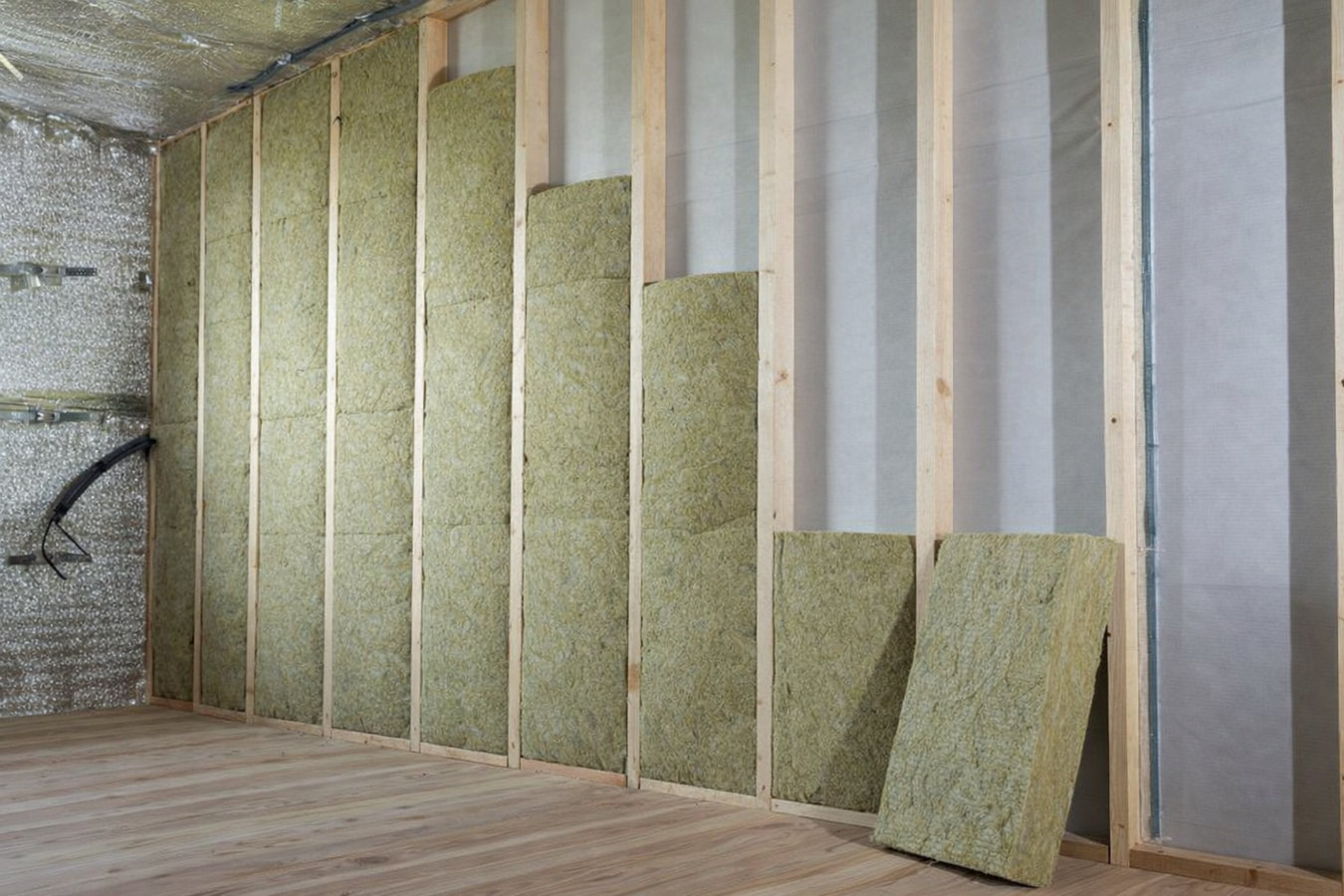
Cold floors in winter, high bills in summer - uninsulated basements are often the cause. We insulate Florence basements right, starting with a moisture check every time.
Cold floors in winter, high bills in summer - uninsulated basements are often the cause. We insulate Florence basements right, starting with a moisture check every time.
Basement insulation in Florence, SC creates a thermal barrier between your basement and living space, stopping heat from moving freely in either direction - most jobs take one to two days and begin with a moisture assessment before any material goes in. When that barrier is missing or degraded, your floors feel the temperature of the ground below, and your air conditioner or furnace works much harder than it should.
Florence homes built in the 1960s through 1980s are the most likely to have basement insulation that has absorbed moisture, settled, or was never installed at all. Many of these homes have partial basements or utility spaces that blend basement and crawl space characteristics - a pattern common in the Pee Dee region that requires a contractor who knows what they are looking at. If your home also has moisture concerns under the floor, crawl space insulation may address the same problem from the other direction, and we can assess both spaces in a single visit.
If the floors in your first-floor rooms feel noticeably cold underfoot in January or uncomfortably warm in July, your basement ceiling is likely letting temperature transfer straight through. This is one of the most common complaints from Florence homeowners with older homes, and it is a clear sign that the space below is not properly insulated. You should not need to wear socks inside your own home in the middle of summer.
If your cooling costs have been climbing over the past few summers and nothing else has changed - same appliances, same habits - heat gain through an uninsulated basement is a likely culprit. Florence's long, hot summers mean your air conditioner runs for months at a stretch, and any gap in your home's thermal envelope makes that worse. A quick look at your utility bills year over year can tell you whether the trend is real.
A musty smell in your basement, or visible condensation and water stains on the walls, tells you that moisture is already present - and that is the first thing that needs to be addressed before any insulation work begins. In Florence's humid climate, this is not unusual, but it does mean the job is more involved than a simple insulation swap. Ignoring it and insulating over the problem will make things worse, not better.
If you can see into your basement ceiling and the insulation is falling down, has dark staining, or has clearly been disturbed by pests, it is no longer doing its job. Fiberglass insulation that has absorbed moisture loses most of its effectiveness and can become a home for mold. This is especially common in Florence homes built before 1990, where original insulation has had decades to degrade in the humid conditions.
Every basement insulation job starts with a moisture assessment. In Florence's climate, skipping that step and going straight to material installation is how contractors create expensive problems for homeowners. We check the walls and floor for water intrusion, condensation patterns, and existing material condition before recommending anything. Contractors can insulate the walls of your basement, the ceiling above it - the floor of your living space - or both, and which approach makes more sense depends on whether your basement is finished or unfinished. For walls in Florence's humid conditions, closed-cell spray foam is often the stronger choice because it resists moisture absorption and seals air leaks at the same time. For homes that also need closed-cell foam insulation applied elsewhere in the home, we can scope both areas in a single project.
For basement ceilings - the floor above - fiberglass batts can work well when moisture is controlled, and they typically cost less than spray foam for that application. Many Florence homes also have a rim joist - the wood framing that sits on top of the foundation wall at the edge of the floor - that is one of the most common air and heat leak points in older homes. Sealing and insulating the rim joist is a high-impact step we include whenever it is accessible. The U.S. Department of Energy identifies the basement ceiling, walls, and rim joist as priority areas for homes in mixed-humid climates like Florence's. For homes where basement work connects to broader moisture management, we coordinate alongside crawl space insulation so both spaces are addressed together.
Best for finished or semi-finished basements where the walls are the main heat transfer surface - spray foam or rigid board depending on conditions.
Insulates the floor above an unfinished, unheated basement - fiberglass batts are common here when moisture is controlled.
Closes one of the most common air leak and heat loss points in older Florence homes where the floor framing meets the foundation wall.
Walls, ceiling, and rim joist addressed together - suited to homes doing a comprehensive energy upgrade or finishing previously unfinished space.
Florence sits in Climate Zone 3A - a mixed-humid designation from the U.S. Department of Energy that means hot, humid summers and mild but real winters. Basements in this zone face a dual challenge: in summer, warm humid air migrates into cooler basement spaces and condenses on surfaces, feeding mold and raising moisture levels throughout the home. In winter, cold ground temperatures pull heat downward through uninsulated floors, making the living space above harder and more expensive to keep warm. Florence also receives around 47 inches of rain per year, and the area's flat terrain and clay-heavy soil mean water drains slowly. Basements and partial basements throughout the city see periodic moisture intrusion after heavy rain events - which is why moisture assessment before insulation is not optional here, it is essential. The North American Insulation Manufacturers Association recommends that basements in humid climates be assessed for moisture conditions before any insulation material is selected or installed.
A large share of Florence's housing stock was built between the 1950s and 1980s, and many of those homes have basement or sub-floor spaces that were insulated with materials now well past their useful life. We serve homeowners throughout the Florence area, including families in Darlington, SC and Hartsville, SC, where the same construction era and climate conditions create the same baseline insulation challenges. Florence's long cooling season - air conditioning typically runs from late March through early November - means the payback on basement insulation upgrades accumulates faster here than in most of the country.
Reach out by phone or through the contact form and we respond within one business day. We ask a few quick questions upfront - the age of your home, whether the basement is finished or unfinished, and whether you have noticed moisture or comfort issues - so we arrive at the estimate prepared.
Before we recommend any material or scope of work, we assess your basement for moisture intrusion, condensation patterns, and existing insulation condition. This takes 30 to 60 minutes and is the step that separates a good job from a costly mistake. You will know what we found and why it matters.
The crew arrives with the right material for your specific basement - spray foam, fiberglass, or a combination - and works through walls, ceiling, and rim joist as scoped. The job is typically one to two days. You can stay in the rest of the home; we keep the work area contained.
When the job is done, we walk you through the finished work so you can see the coverage. You get a written record of what was installed and where. If spray foam was used, we let you know how long to stay out of the space - typically just a few hours while it finishes setting.
We assess moisture before anything goes in. Written estimate upfront. No surprises - you know exactly what we are doing and why before we start.
(854) 204-1707We check for water intrusion and condensation patterns before recommending any material. Florence's humid climate makes this step critical - insulating over a moisture problem creates a mold problem. This assessment is part of every estimate visit, not an add-on.
You get a clear, itemized estimate after we see your basement in person - no phone guessing and no pressure to sign the same day. We put the full scope in writing so you know exactly what the work includes and what it costs before anything begins.
Most of the basements we work on in Florence were built before 1990, when insulation standards were significantly lower than today. We know what to look for in homes of that era - partial basements, mixed crawl space characteristics, and degraded original material - and we scope the work accordingly.
The rim joist is one of the highest-impact but most overlooked areas in a Florence basement. We include it in every eligible scope of work because leaving it unaddressed undermines the rest of the insulation. Many contractors skip it; we treat it as a standard part of the job.
Every basement insulation job we complete is backed by an experienced crew that has assessed the moisture conditions specific to your home in Florence's climate. You get a straight answer about what your basement needs - and work that holds up in the years after we leave.
The moisture-resistant spray foam material most often recommended for Florence basement walls - seals air and blocks humidity in one application.
Learn moreAddresses the floor and foundation boundary in homes with crawl spaces rather than basements - same moisture-first approach, different geometry.
Learn moreCall today to schedule your moisture assessment and estimate before the next billing cycle arrives.