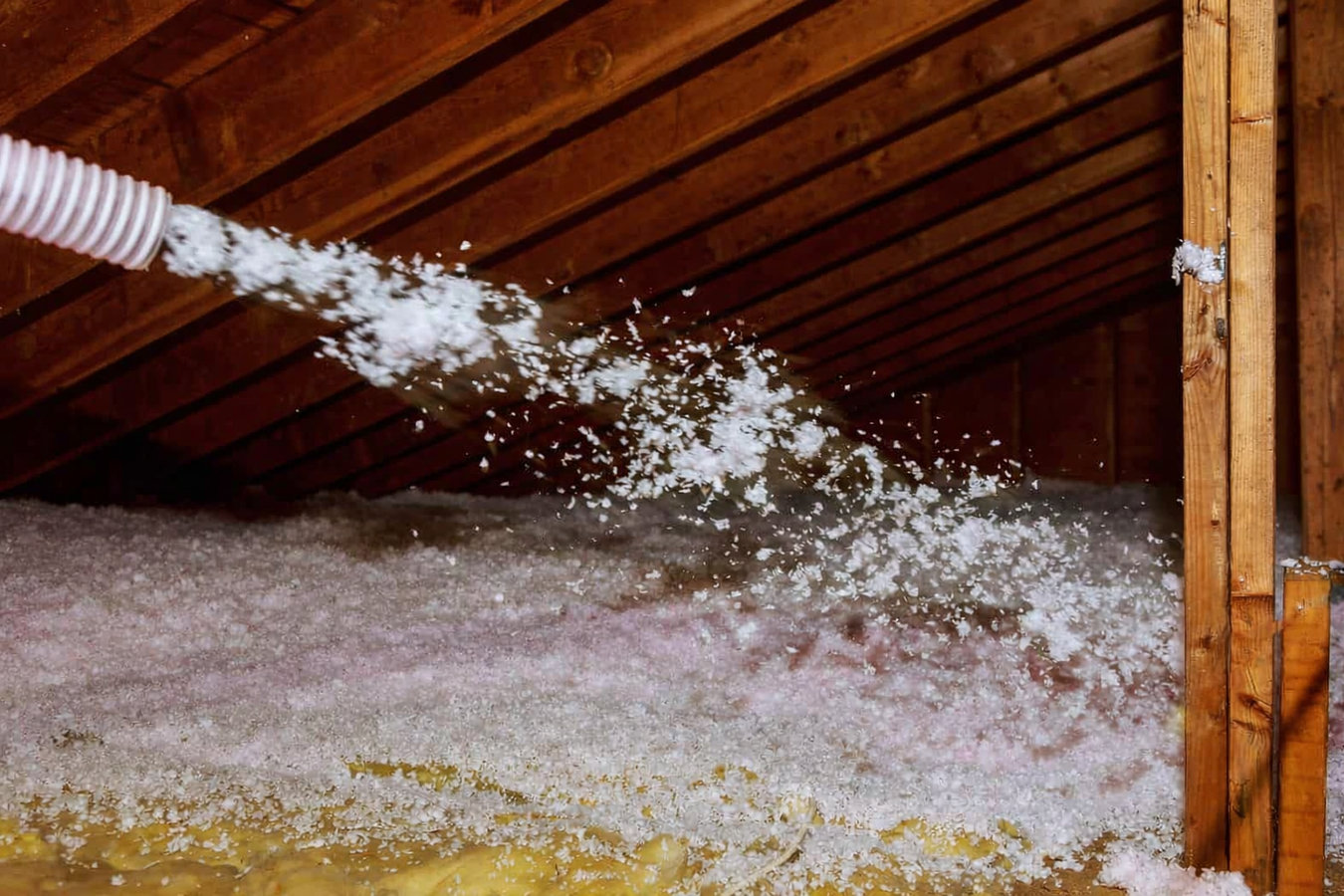
A significant portion of Orangeburg's housing stock was built before 1980, and many of those homes have original or barely updated insulation. Homes from the 1950s through 1970s were commonly insulated to the minimal standards of their decade - two or three inches in the attic, nothing in the crawl space - and that original material has since compressed and degraded under decades of heat and humidity. South Carolina is in Climate Zone 3, where the Department of Energy recommends R-38 to R-60 in the attic, and most older Orangeburg homes are operating at a fraction of that. The difference shows up directly in your monthly energy bill during the city's long, hot summers.
The clay-heavy soils and flat terrain throughout Orangeburg and the surrounding county create crawl space moisture problems that are different from what contractors encounter in other parts of the state. Clay expands when wet and shrinks when dry, which puts seasonal stress on the brick and mortar joints common in the city's mid-century ranch homes. That same clay holds rainwater close to the surface - Orangeburg gets about 47 inches per year - meaning ground moisture is nearly always present under homes with crawl spaces. A contractor who understands this specific combination of soil type, building age, and rainfall knows to treat moisture control and insulation as one connected problem, not two separate jobs.